The Ultimate Checklist for Finding Reliable Wholesale Makeup and Beauty Suppliers
The Foundation of Retail Success in the Beauty Industry
The beauty, cosmetics, and personal care retail market operates at an extraordinary pace, driven by rapid social media trends, innovative formulations, and an insatiable consumer demand for transformative products. Whether you are launching an independent boutique storefront, scaling an e-commerce empire, or expanding a regional retail chain, the single most critical determinant of your long-term profitability and brand reputation is your supply chain. Finding, vetting, and partnering with trustworthy wholesale manufacturers and distributors is the ultimate catalyst for business success.
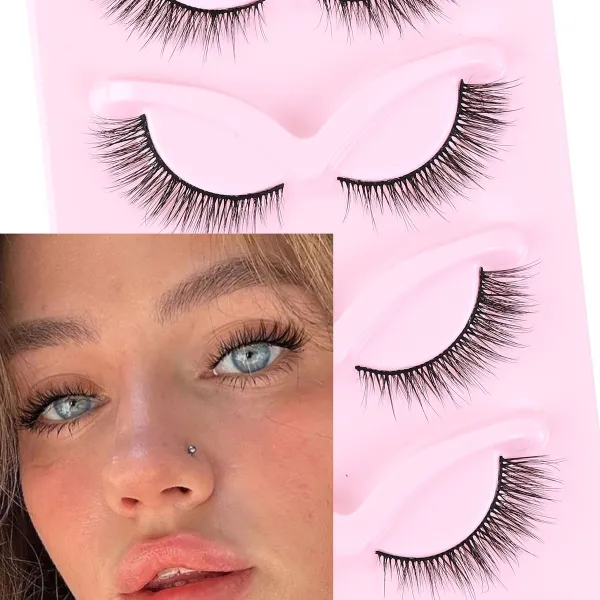
Navigating the global wholesale marketplace requires far more than casual internet browsing; it demands a rigorous, methodical vetting process. Sourcing substandard products to cut corners can lead to disastrous customer allergic reactions, devastating product liability claims, and irreversible brand damage. Conversely, establishing resilient partnerships with elite suppliers ensures consistent product quality, predictable profit margins, and reliable delivery schedules. Whether you are expanding an existing catalog or building your inventory from scratch, securing your procurement foundation through established B2B platforms like
This comprehensive, long-term strategic guide provides the ultimate checklist for discovering, evaluating, and partnering with reliable wholesale makeup and beauty suppliers. From initial supplier discovery and legal compliance checks to quality control frameworks and inventory management, this blueprint equips you with everything you need to dominate the competitive beauty retail landscape.
Part 1: Initial Supplier Discovery and Sourcing Channels
Before you can vet a supplier, you must know where and how to find them. The global beauty manufacturing ecosystem spans diverse geographic regions, specialized trade exhibitions, and digital B2B marketplaces. Understanding how to navigate these channels effectively is your first major hurdle.
1. Digital B2B Marketplaces and Global Directories
Digital sourcing platforms have revolutionized how retail buyers connect with international manufacturers. However, not all online directories are created equal. When exploring digital suppliers, look for verified manufacturer badges, transparent company profiles, trade assurance protections, and verifiable customer reviews. Specialized B2B platforms streamline the initial outreach process, allowing you to compare minimum order quantities (MOQs), unit pricing, and production capacities across multiple competing vendors.
2. International Beauty Trade Shows and Exhibitions
Despite the dominance of digital commerce, the beauty industry remains deeply tactile and relationship-driven. Attending premier international trade shows—such as Cosmoprof, Beautyworld, and regional boutique sourcing expos—provides an invaluable opportunity to interact face-to-face with manufacturers, inspect physical product samples, evaluate tactile finishes, and negotiate custom distribution agreements. Meeting suppliers in person builds a level of trust and accountability that virtual communication simply cannot replicate.
3. Industry Referrals and Private-Label Networks
Networking with fellow retail entrepreneurs, beauty brand founders, and cosmetic chemists can yield golden recommendations for reliable suppliers who may not advertise heavily online. Furthermore, partnering with established private-label laboratories allows boutique owners to develop custom formulations tailored exclusively to their brand identity.
Part 2: The 10-Step Checklist for Vetting Beauty Suppliers
Once you have compiled a preliminary list of prospective suppliers, you must subject them to a rigorous evaluation framework. This ten-step checklist is designed to separate amateur brokers and unreliable factories from elite, professional wholesale partners.
Step 1: Verify Business Legitimate Licensing and Factory Certification
Never partner with an unverified supplier. Request copies of their business licenses, export permits, and manufacturing facility certificates. Legitimate cosmetic and personal care manufacturers should readily provide documentation proving compliance with international manufacturing standards, such as ISO certifications, Good Manufacturing Practices (GMP), and facility inspection reports.
Step 2: Request and Evaluate Physical Product Samples
Never place a bulk wholesale order based solely on digital catalog photography. Always order comprehensive physical samples of every product category you intend to stock. Evaluate the texture, pigmentation, scent longevity, packaging integrity, and overall durability of the samples. For color cosmetics, test the wear time and blendability; for hair extensions, examine the cuticle alignment and shedding resistance.
Step 3: Analyze Minimum Order Quantities (MOQs) and Pricing Tiers
MOQs are a critical financial consideration, particularly for emerging brands and boutique stores with limited working capital. Assess whether the supplier's MOQ aligns with your current cash flow and storage capacity. Furthermore, analyze their tiered pricing structure to determine how unit costs decrease as order volumes scale. Sourcing through platforms that offer flexible initial orders allows you to test market demand without over-committing capital.
Step 4: Review Product Safety, Compliance, and Ingredients
Because beauty products, perfumes, and personal care items interact directly with human skin, hair, and eyes, regulatory compliance is non-negotiable. Ensure that your supplier provides comprehensive Material Safety Data Sheets (MSDS), Certificate of Analysis (COA) documents, and fully transparent ingredient disclosures that comply with the regulatory standards of your target sales markets (such as FDA regulations in the United States or EU cosmetic compliance standards).
Step 5: Assess Communication Responsibilities and Response Times
In international supply chain management, communication breakdowns can lead to catastrophic delivery delays and financial losses. During the initial inquiry phase, evaluate how promptly, clearly, and professionally the supplier responds to your technical questions. A supplier who takes days to answer basic questions or provides vague, evasive responses during the sales phase will likely be a nightmare to deal with when resolving a complex shipping or quality dispute.
Step 6: Evaluate Packaging, Labeling, and Customization Capabilities
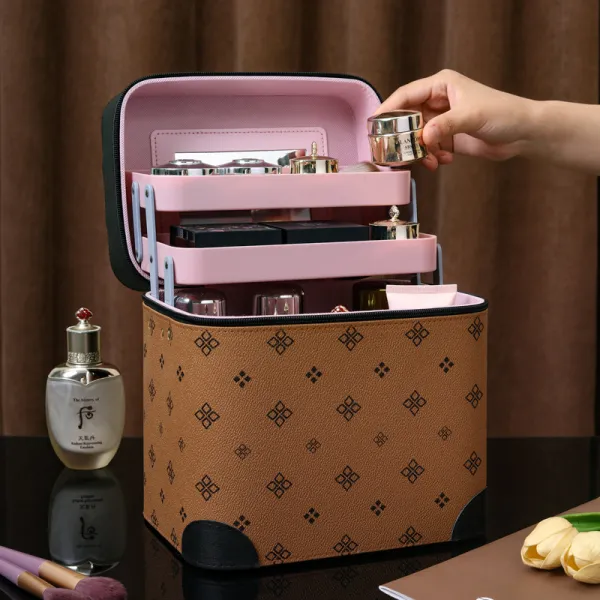
Presentation is paramount in the beauty industry. Investigate whether the supplier offers custom labeling, private-label design services, or specialized gift packaging. For specialized product lines, ensure your supplier can provide high-end, protective packaging. For instance, sourcing durable, aesthetic storage options through
Step 7: Investigate Quality Control (QC) Protocols
A reliable supplier should have multiple internal quality control checkpoints embedded throughout their manufacturing process—from raw material inspection and formula mixing to automated filling and final packaging checks. Ask detailed questions about their defect rate, return policies, and how they handle damaged or substandard shipments.
Step 8: Analyze Logistics, Shipping Terms, and Lead Times
Understand the supplier's average production lead times, order processing windows, and shipping methods. Clarify Incoterms (such as FOB, EXW, or DDP) to determine exactly who is financially responsible for freight costs, customs clearance, import duties, and transit insurance. Partnering with experienced logistics providers ensures your inventory arrives on schedule without incurring unexpected demurrage fees.
Step 9: Examine Payment Terms and Financial Security
Wholesale transactions involve substantial capital sums. Be cautious of suppliers who demand 100% upfront wire transfers via unverified channels. Reputable manufacturers typically operate on standard commercial terms, such as a 30% production deposit and the remaining 70% balance payable upon inspection before shipment. Utilize secure payment gateways, letters of credit, or trade assurance programs that protect your funds until goods are successfully delivered and inspected.
Step 10: Check Reputation, References, and Track Record
Before signing a long-term supply contract, conduct independent research into the supplier's market reputation. Look for reviews on independent B2B forums, check for any history of major product recalls or regulatory violations, and, if possible, ask the supplier to provide references from existing retail clients operating in your region.
Part 3: Essential Product Categories to Source for a Balanced Inventory
To build a compelling retail catalog that captures diverse consumer demographics and maximizes average order values, your wholesale inventory must span multiple high-velocity beauty pillars.
1. Color Cosmetics and Lip Enhancements
Color cosmetics remain the cornerstone of beauty retail. Stocking highly pigmented palettes, long-wear foundations, and trendy lip products drives frequent repeat purchases. For instance, leveraging dedicated manufacturers specializing in
2. Fine Fragrances and Scent Innovations
The sensory retail experience extends far beyond visual makeup. Incorporating fragrances into your inventory taps into powerful emotional triggers that drive lucrative gift sales. Sourcing through specialized channels like
Furthermore, catering to diverse demographic niches ensures comprehensive market capture:
Masculine Grooming: Tapping into the booming men's self-care movement by partnering with dedicated
wholesale mens cologne Feminine Signature Scents: Offering exquisite floral and gourmand profiles via
wholesale womens cologne Aromatic Wellness: Supplying pure, skin-safe aromatic extracts through
wholesale fragrance oil
3. Hair Extensions, Wigs, and Professional Styling Supplies
The hair and beauty sector represents some of the highest-ticket, highest-margin items in retail. Salon professionals and specialty boutiques demand uncompromising quality in hair texture and longevity.
Human Hair Extensions: Stocking 100% Remy human hair through trusted providers of
extension hair wholesale Protective Braiding Solutions: Maintaining steady inventory from
human hair for braiding bulk Ready-to-Wear Wigs: Sourcing premium pre-plucked lace units from
bulk wigs Professional Tools: Cross-merchandising high-performance ionic dryers and salon equipment sourced via
wholesale haircare tools
Part 4: Managing Supplier Relationships and Supply Chain Resilience
Finding a reliable supplier is only the beginning; maintaining a harmonious, long-term partnership requires proactive communication, performance monitoring, and strategic supply chain diversification.
1. Cultivating Collaborative Partnerships
Treat your verified suppliers as strategic business partners rather than transactional vendors. Share your sales forecasts, upcoming promotional calendars, and customer feedback with them. When manufacturers feel invested in your brand's growth, they are far more likely to prioritize your production runs during peak seasons, offer favorable pricing tiers, and grant you early access to innovative new product formulations.
2. Implementing Ongoing Performance Audits
Supply chain reliability can fluctuate over time due to staff turnover, raw material shortages, or factory expansions. Implement quarterly performance audits to review your suppliers against key metrics: on-time delivery rates, product defect percentages, invoice accuracy, and responsiveness to inquiries. If a supplier's performance begins to slip consistently, address it immediately or initiate contingency sourcing plans.
3. Avoiding Single-Source Vulnerability
Never rely entirely on a single supplier for your core product lines, no matter how reliable they have proven to be. Unexpected geopolitical events, natural disasters, factory fires, or shipping bottlenecks can instantly paralyze a single-source supply chain. Always maintain active relationships with at least two vetted backup suppliers for every major product category in your catalog.
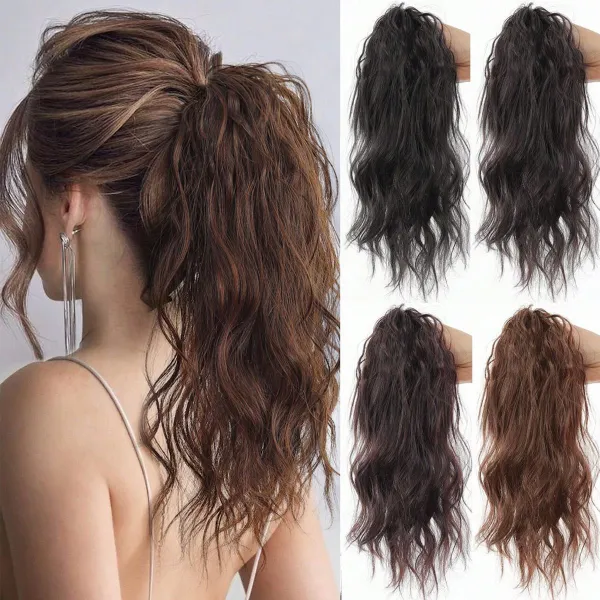
Mastering the art of finding and vetting reliable wholesale makeup and beauty suppliers is the ultimate hallmark of a sophisticated retail entrepreneur. By following this comprehensive checklist—from verifying factory licenses and evaluating physical product samples to ensuring regulatory compliance and diversifying your supply chain—you protect your business from costly pitfalls and position your brand for sustainable, high-margin growth.
As the global beauty industry continues to evolve with shifting consumer preferences and technological innovations, agility, rigorous quality control, and unwavering commitment to excellence will remain your most powerful competitive advantages. Step into the wholesale marketplace with confidence, clarity, and an uncompromising dedication to quality, and watch your beauty retail enterprise flourish in the years ahead.


Comments
Post a Comment