How to Choose the Right Wholesale Menswear Supplier for Clothing, Shoes, and Accessories
1. The Strategic Imperative of Supplier Selection in Men's Retail
The global menswear, footwear, and accessory sectors have experienced a remarkable evolution over the past decade. Driven by shifting consumer demographics, rapid digital commerce adoption, and an increased cultural focus on male grooming, styling, and personal presentation, the menswear market has transitioned from a secondary retail segment into a powerhouse of commercial growth. Contemporary male shoppers across all generations view apparel, footwear, and accessories as critical extensions of their personal identity, professional status, and active lifestyle values.
For boutique owners, e-commerce entrepreneurs, and established department store buyers, capitalizing on this surging demand requires more than a broad inventory catalog; it demands a highly strategic approach to supplier selection. Sourcing products from unreliable vendors or failing to balance baseline ready-to-wear essentials with high-margin custom offerings can compress profit margins, introduce catastrophic supply chain delays, and lead to deadstock. Conversely, partnering with elite, dependable manufacturers and wholesale platforms ensures robust inventory turnover, high average order values (AOV), and enduring brand loyalty.
This comprehensive guide explores the structural framework necessary to identify, vet, and partner with the right wholesale suppliers for modern retail enterprises. We will examine core apparel staples, profit-expanding accessories, footwear collections, custom-made manufacturing solutions, and disciplined supply chain management practices designed to elevate your business profitability.
2. Deconstructing the Modern Male Consumer and Retail Dynamics
To successfully curate a retail catalog and select the appropriate supplier, buyers must first understand the psychology and buying behaviors of today's male consumer. Historically underserved by a fashion industry that heavily prioritized womenswear, modern male shoppers—particularly Millennials and Generation Z—are highly fashion-conscious, quality-driven, and value-oriented. They expect clothing to seamlessly bridge multiple environments, transitioning effortlessly from remote work and professional office settings to urban commuting, social gatherings, and athletic pursuits.
This lifestyle convergence has popularized several major retail trends:
Elevated Comfort: The boundary between formalwear, streetwear, and loungewear has dissolved, with consumers favoring ergonomic stretch, breathable fabric technologies, and clean, modern silhouettes.
Utilitarian Versatility: Practicality is a major purchasing driver, with modern shoppers favoring multi-pocket configurations, weather-resistant fabric treatments, and robust workwear heritage designs.
Desire for Exclusivity: In a digital marketplace saturated with fast fashion, consumers increasingly crave unique designs and custom-made apparel that reflect personal aesthetic preferences.
To meet these multifaceted demands without straining cash flow, successful retailers deploy a dual-pillar inventory strategy: leveraging stable, high-turnover wholesale products to secure baseline profitability while incorporating custom-made services as high-margin revenue multipliers. Choosing a supplier that can support both ready-to-stock requirements and custom-made manufacturing is the ultimate key to retail resilience.
3. Evaluating Core Apparel Categories and Supplier Capabilities
Establishing a thriving men’s retail collection begins with mastering the core apparel categories that form the backbone of a functional wardrobe. When vetting potential suppliers, retail buyers must evaluate their catalog depth, fabric quality consistency, and pricing flexibility across essential menswear lines.
When building a comprehensive menswear catalog, partnering with reliable sources for
Denim and Structured Separates
Denim remains an eternal cornerstone of men's fashion, bridging the gap between rugged workwear and contemporary smart-casual style. Sourcing high-quality denim requires a keen eye for fabric weight, stretch recovery, environmental wash techniques, and durable stitching. When auditing a supplier, check whether they offer diverse
Coordinated Sets and Athleisure
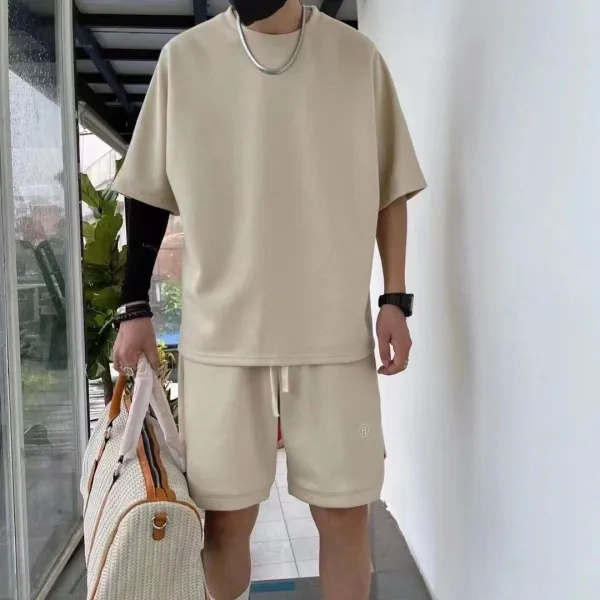
Coordinated outfits have transformed modern consumer preferences, driven by the permanent shift toward comfort-focused, effortless styling. Consumers increasingly favor outfits that eliminate the friction of matching separate tops and bottoms. A top-tier supplier should provide curated
Warm-Weather and Functional Bottoms
As seasonal buying patterns shift toward warmer climates, breathable and functional lower-body wear becomes critical for retail success. Sourcing durable
Undergarments and Intimate Apparel Essentials
Undergarments and daily essentials represent high-frequency replenishment items that drive consistent, repeat customer traffic and foster deep brand loyalty. Partnering with suppliers for
Essential Tops, T-Shirts, and Polos
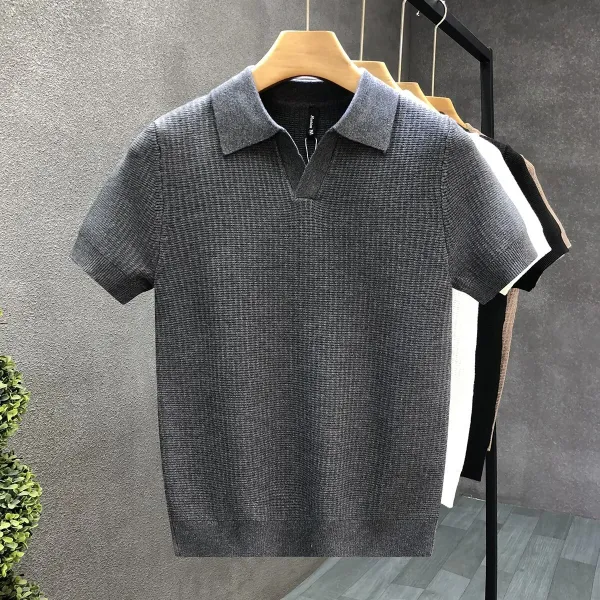
Basic tops serve as the ultimate canvas for both everyday layering and brand expression. High-volume procurement programs for
4. Expanding Profit Pools: Accessories and Footwear Supplier Vetting
While apparel drives primary foot traffic and wardrobe curation, accessories and footwear represent high-margin profit pools that complete the consumer's lifestyle vision and significantly boost overall business revenue. When evaluating suppliers for these categories, technical construction standards and material authenticity are paramount.
Urban Mobility and Functional Bags
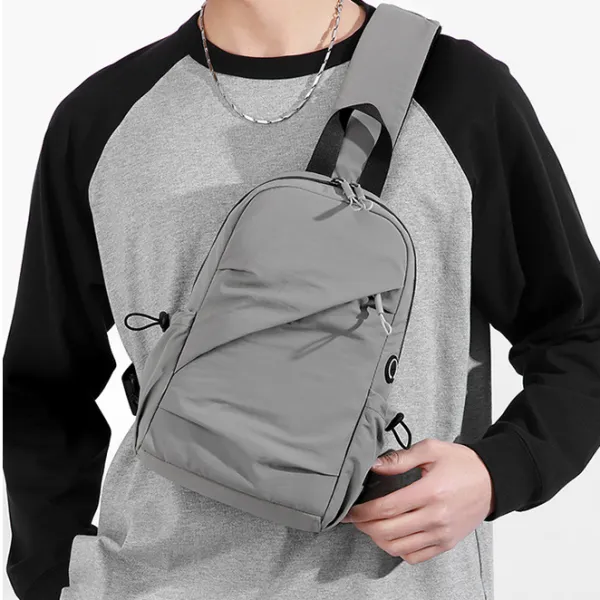
Bags, backpacks, and leather accessories have transitioned from purely utilitarian items into vital fashion statements for urban commuters, students, and frequent travelers. Incorporating versatile
Footwear: Anchoring the Complete Look
Footwear represents a major decision point for consumers seeking to complete a head-to-toe ensemble. Offering diverse styles through
5. Unlocking High-Margin Revenue Through Custom-Made Supplier Solutions
While standard wholesale procurement provides operational stability and immediate inventory readiness, custom-made manufacturing services provide your brand with a unique soul and defensible market differentiation. Customization transforms generic commodity products into exclusive brand assets that insulate your business from price-cutting competitors.
When choosing a supplier for custom programs, verify their sample development speed, grading accuracy, and minimum order requirements for bespoke runs.
Strategic Sourcing Note: Customization extends far beyond printing a surface logo; it involves engineering apparel, footwear, and accessories from the material level up to match your precise brand specifications, proprietary fits, and custom wash formulas.
Custom T-Shirts and Proprietary Blends
T-shirts are the most ubiquitous garments in global retail, making them the prime candidate for custom development. Utilizing specialized
Custom Bags and Signature Hardware
Accessories and leather goods offer incredible opportunities for unique brand storytelling. Utilizing professional
Custom Footwear Development
Footwear manufacturing traditionally presented prohibitive entry barriers due to complex mold costs. However, modern digital manufacturing partnerships have democratized custom shoe design. Through specialized
Custom Sets and Unified Collections
Coordinated apparel sets represent one of the fastest-growing segments in contemporary menswear. Leveraging advanced
6. Practical Criteria for Vetting and Selecting the Right Supplier
Choosing the right wholesale menswear supplier requires a structured evaluation matrix. Retailers should never rely solely on online catalog aesthetics or marketing claims. Instead, execute a thorough vetting process based on the following operational criteria:
Sample Evaluation and Quality Control (QC)
Always request physical pre-production samples before committing to bulk inventory or custom manufacturing runs. Evaluate the sample for stitch density, fabric hand-feel, color consistency, and hardware durability. A reliable supplier will maintain rigorous multi-stage quality control inspections to ensure that production batches match approved samples.
Minimum Order Quantities (MOQs) and Pricing Transparency
Evaluate whether the supplier's MOQs align with your business cash flow and storage capacity. Rigid, excessively high MOQs can trap working capital in slow-moving inventory. Look for flexible B2B platforms and direct-to-factory partners that offer transparent tiered pricing models without hidden fees or obscure shipping surcharges.
Lead Times and Supply Chain Resilience
Apparel, footwear, and accessory manufacturing operate on strict seasonal timelines. Sourcing professionals must analyze supplier lead times, raw material procurement phases, and international shipping reliability. Establishing clear communication channels and contingency plans prevents unexpected stockouts during peak retail seasons.
7. Building a Long-Term Strategic Partnership
Choosing the right wholesale menswear supplier for clothing, shoes, and accessories is a foundational decision that dictates the long-term profitability, scalability, and reputation of your retail business. By conducting rigorous supplier evaluations, balancing high-turnover ready-to-wear essentials with high-margin custom manufacturing solutions, and maintaining strict quality control standards, retail entrepreneurs can build a resilient, future-proof enterprise. Embrace strategic digital sourcing ecosystems, prioritize transparent communication, and position your brand for sustainable growth in the competitive global menswear marketplace.


Comments
Post a Comment