Wholesale Hair Products: Key Considerations for Salon Owners
Running a successful salon is about more than offering excellent services—it’s also about the quality of products you use and sell. Wholesale purchasing can help salon owners access premium hair care, styling products, and accessories at cost-effective prices. However, navigating the wholesale beauty market requires strategic planning. From evaluating suppliers to managing inventory, this guide provides salon owners with professional advice to optimize purchasing, control costs, and elevate service quality.

1. Why Wholesale Hair Products Matter
Investing in wholesale products provides salons with both cost savings and product consistency. Access to hair supplies in bulk allows salon owners to offer professional-grade services without overspending. Benefits of wholesale purchasing include:
Reduced per-unit costs, freeing up budget for marketing or renovations.
Consistency in product quality for all clients.
Access to a broad product variety to meet diverse client needs.
Wholesale sourcing ensures that your salon is equipped with the latest hair extensions, styling tools, and hair care items that clients expect.
2. Evaluating Product Quality
Quality is critical. Using substandard products like low-quality wigs or extensions can damage hair and harm your salon’s reputation. Consider:
Material and durability: For example, wholesale wigs should be made from 100% human hair or high-quality synthetic fibers.
Ingredients: Hair care products like wholesale hair care products should avoid harsh chemicals that can harm hair or scalp.
Packaging: Products such as wholesale cosmetic jars must arrive intact for salon-ready use.
Testing samples before ordering ensures your stylists have products they trust for clients.
3. Budgeting and Cost Management
Cost control is essential for profitability. Calculate the cost per client for each service, factoring in product consumption and waste. Tips for budgeting include:
Negotiating volume discounts with wholesale hair suppliers.
Tracking product usage to identify high-consumption items like shampoos and conditioners.
Comparing multiple distributors to ensure competitive pricing.
Smart budgeting ensures your salon remains profitable while delivering high-quality services.
4. Choosing the Right Supplier
Selecting a reliable supplier guarantees product authenticity and timely delivery. Consider suppliers that offer a broad range of salon essentials, such as:
wholesale braiding hair for trending protective hairstyles.
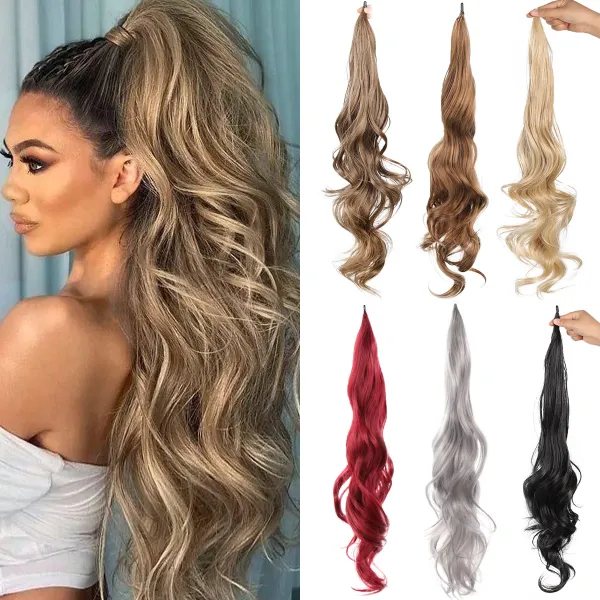
wholesale hair extensions for volume and styling versatility.
wholesale makeup brushes to complement your salon’s beauty services.
Check supplier reviews, certifications, and responsiveness to build a long-term partnership.
5. Inventory Management for Salons
Efficient inventory management prevents shortages and waste. Track stock levels, monitor product turnover, and categorize items by usage frequency. For example:
Consumables like shampoos and conditioners for daily use.
Specialty items like wholesale clip in extensions for specific client services.
Use POS systems or inventory software to automate tracking, ensuring that your salon never runs out of essential products.
6. Diversifying Product Offerings
Offering a variety of products increases client satisfaction and generates additional revenue. Consider stocking:
Hair extensions and wholesale braiding hair vendors for diverse styling options.
Retail items like yara perfume wholesale to enhance client experience.
Specialty items like sunscreen sticks bulk to protect hair and scalp.
Diverse product lines position your salon as a one-stop shop for beauty and hair care.
7. Staying Trend-Responsive
Salon success depends on offering products that match current trends. Stocking items like wholesale hair treatments ensures your team can provide services in demand. Seasonal and trending products, such as protective hair products in summer or nourishing masks in winter, help maintain client interest and satisfaction.
8. Marketing and Retail Strategy
Wholesale hair products can boost retail revenue. Consider:
Displaying wholesale nail supplies and accessories in client-facing areas.
Offering bundle deals of wholesale lip gloss and hair care products.
Educating clients on product benefits to encourage purchases.
Effective retail strategies enhance profitability while building client loyalty.
9. Legal and Safety Considerations
Compliance ensures salon safety and legality. Follow regulations for chemical-based products, storage, and retail labeling. Ensure products such as bulk perfume oils comply with safety standards, and maintain proper MSDS documentation for all items.
10. Building Supplier Relationships
Long-term relationships with suppliers provide benefits like priority access to new products, better pricing, and reliable delivery schedules. Maintain communication with suppliers like wholesale salon items or wholesale makeup bags to secure favorable terms.
11. Staff Training and Product Knowledge
Educate stylists on proper product use. Demonstrating pink makeup brush wholesale or styling tools improves performance and minimizes waste. Knowledgeable staff can make confident recommendations, enhancing client satisfaction and retail sales.
12. Measuring Performance and Adjusting Strategy
Regularly monitor product turnover, retail sales, and client feedback. Adapt your purchasing strategy by increasing orders of high-demand items, such as wholesale perfume distributor, while phasing out underperforming products. This ensures that your salon remains efficient, profitable, and client-focused.

Wholesale hair products are vital for salons seeking to enhance service quality, reduce costs, and expand retail revenue. By carefully evaluating product quality, managing inventory, controlling costs, and partnering with reliable suppliers , salon owners can build a sustainable, profitable business. Combined with staff training and trend-aware product selection, wholesale purchasing positions your salon for long-term success.


Comments
Post a Comment