From Factory to Store: Understanding the Wholesale Denim Supply Chain
In the world of modern fashion, denim stands as one of the most enduring and influential fabrics ever created. Its rich history, cultural symbolism, and timeless durability have made it a central element in global apparel manufacturing. For retailers seeking to stock bulk jeans, bulk denim jackets, wholesale denim shorts, wholesale kids denim, mens denim suits wholesale, and even custom jeans, understanding the wholesale denim supply chain is essential. The journey from factory to store is far more complex than many realize. Each stage—raw material sourcing, weaving, dyeing, cutting, sewing, washing, quality control, packaging, logistics, and distribution—shapes the final product that consumers see on shelves. For boutique owners, wholesalers, online retailers, and private-label brands, knowledge of this supply chain is not only informative but strategically vital for long-term success.
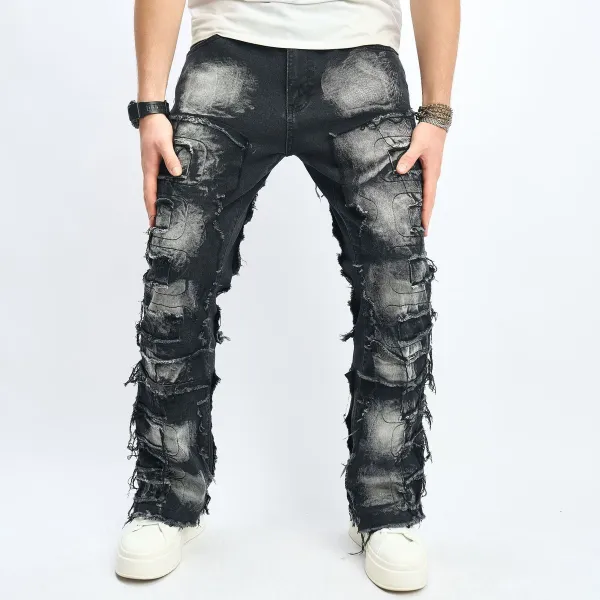
The supply chain begins long before any fabric is produced. Everything starts with cotton fields. Denim production relies heavily on high-quality cotton fibers, and the geographic origin of that cotton has a significant impact on the final product. Cotton from different regions varies in softness, strength, fiber length, and durability. These variations influence how the denim feels, how it wears over time, and how it responds to washing and distressing techniques. For companies selling bulk denim, sourcing strong cotton is the foundation of maintaining consistent product quality.
Once harvested, cotton moves to spinning mills where it is transformed into yarn. This step requires advanced machinery to clean the fibers, remove impurities, and twist them into yarn strong enough to handle the intense processes that come next. The spinning process affects the weight, texture, and appearance of the final denim fabric, which ultimately influences how bulk jeans or bulk denim jackets will look and feel. Retailers who understand the yarn quality can better communicate with manufacturers and ensure consistency across batches.
The next stage is weaving, where yarns are interlaced on large industrial looms to create denim’s signature twill weave. The diagonal lines characteristic of denim emerge from this weave. Different weaving techniques produce different effects—some result in heavier denim ideal for jackets or structured mens denim suits wholesale, while others produce lighter fabrics suitable for wholesale denim shorts or kids’ clothing. Boutique owners often underestimate the importance of weaving, but it is central to determining the type of denim needed for specific garments.
Once the fabric is woven, it must be dyed, and this is where denim becomes truly iconic. Indigo dyeing, often repeated multiple times, gives denim its traditional blue tone. Modern technology has introduced more sustainable dyeing methods, reducing water waste and chemical usage. As sustainability becomes an influential purchasing factor, retailers offering wholesale kids denim or custom jeans increasingly prioritize suppliers with eco-friendly dyeing processes. Parents, eco-conscious consumers, and fashion-forward shoppers appreciate brands that support clean manufacturing practices.
After dyeing, the denim fabric undergoes a resting period to stabilize before moving into cutting and sewing. This stage marks the transition from raw fabric to actual clothing. Factories use digital cutting machines to maximize fabric efficiency and reduce waste. Skilled workers then sew the fabric into garments, whether they are bulk jeans, wholesale denim shorts, or bulk denim jackets. Factories specializing in mens denim suits wholesale use more structured tailoring techniques to achieve crisp lines and polished silhouettes. Meanwhile, factories producing wholesale kids denim focus on comfort, safety, stretch, and durability.
At this stage, customization comes into play. Retailers looking to differentiate themselves in a competitive denim market turn to custom jeans as a strategy to build a unique brand identity. Custom jeans may involve personalized cuts, embroidered logos, hand-applied distressing, patchwork designs, or exclusive washes. Private-label brands and boutiques increasingly leverage these customization opportunities to create signature collections that attract loyal customers.
Once sewing is complete, denim garments undergo washing and finishing. This step transforms stiff, raw denim into the soft, lived-in fabric consumers adore. Stone washing, enzyme washing, acid washing, vintage brushing, and laser distressing are just a few of the many techniques used to create denim’s desired aesthetic. For wholesale denim shorts, the finishing may focus on creating frayed hems, bleached patterns, or distressed edges. Bulk denim jackets might undergo heavier washing to enhance texture, while mens denim suits wholesale require precise, controlled finishing to maintain their refined look. Every wash technique influences the garment’s durability, comfort, and final appearance.
After finishing, quality control becomes one of the most important steps in the entire supply chain. Each piece is inspected for stitching accuracy, color consistency, fabric strength, button and zipper functionality, and fit precision. For retailers ordering bulk jeans or bulk denim jackets, consistency is everything. Variations in wash, size, or construction can damage a brand’s reputation. High-quality factories maintain strict inspection protocols to ensure that each shipment meets the retailer’s expectations.
Once approved, the garments move to packaging. Depending on the retailer’s requirements, products may be individually wrapped, bundled by size, or packed according to specific labeling standards. For wholesale kids denim, packaging might require soft folding, safe tags, and child-friendly labeling. For mens denim suits wholesale, packaging may include protective layers to prevent creasing or color transfer. Meanwhile, brands selling custom jeans may require branded tags, woven labels, care instructions, and premium packaging to elevate their product’s perceived value.
With packaging complete, logistics take over. The movement of denim from factory to store is a complex operation involving domestic transport, international freight, customs clearance, warehousing, and last-mile delivery. Retailers ordering bulk denim must understand shipping timelines and potential delays. Ocean freight is more cost-effective for large shipments but requires longer lead times, while air freight is faster but more expensive. For businesses that operate on seasonal demand, such as wholesale denim shorts for summer or heavy bulk denim jackets for winter, timing is crucial. Late arrivals can significantly impact sales performance.
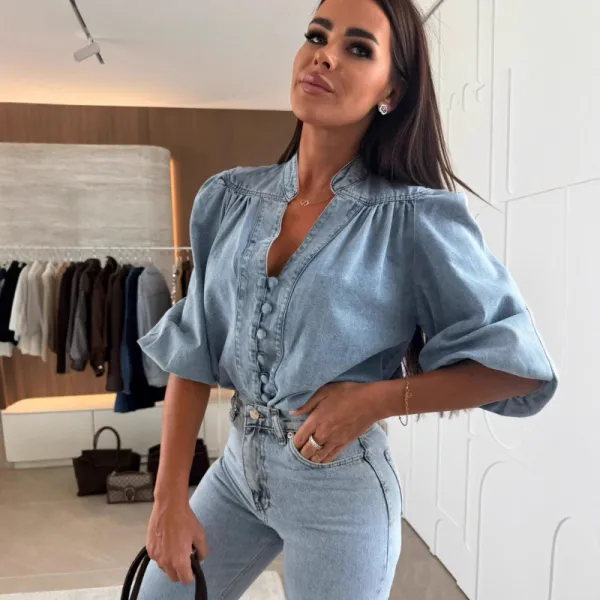
Once the shipment arrives at its destination, the retailer receives the products, conducts a secondary quality check, and begins preparing them for sale. Here, merchandising plays an important role in how denim sells. Even the best bulk jeans or bulk denim jackets must be presented attractively to catch the attention of customers. In today’s competitive retail environment, presentation, storytelling, and branding elevate the value of denim beyond its material costs.
Understanding the entire supply chain allows retailers to make informed decisions. When choosing suppliers, they can ask the right questions about cotton sources, weaving techniques, dyeing methods, manufacturing capacity, quality control systems, and customization options. Retailers ordering wholesale kids denim can prioritize suppliers who use soft, stretchable fabrics. Those ordering mens denim suits wholesale can focus on factories with tailoring expertise. Brands aiming to develop unique collections can partner with manufacturers that specialize in custom jeans.
This supply chain awareness also helps retailers anticipate challenges. Raw cotton price fluctuations, global freight issues, rising labor costs, and increased demand for sustainable manufacturing all influence production timelines and pricing. Retailers that understand the upstream processes can adapt more quickly, negotiate better contracts, and maintain strong relationships with their suppliers.
The denim supply chain also reflects broader global trends. Sustainability, for example, has become a major driver of change. Factories now experiment with recycled denim, organic cotton, waterless dyeing techniques, and environmentally friendly finishing methods. Retailers who emphasize sustainability gain a competitive advantage, especially in markets where consumers prioritize ethical production. Parents purchasing wholesale kids denim often look for gentle fabrics, non-toxic dyes, and environmentally responsible sourcing. Boutique owners selling custom jeans appreciate being able to market exclusive eco-friendly styles.
Technology plays another transformative role. Advanced laser machines now create distressing patterns without the need for harmful chemicals. AI-powered cutting machines optimize fabric use. Automated sewing systems increase consistency and reduce labor costs. These innovations improve efficiency and reduce waste, benefiting retailers who rely on consistent supply for bulk jeans or bulk denim jackets.
E-commerce has also reshaped the denim supply chain. Online retailers rely on accurate product measurements, high-quality photography, and fast restocking capabilities. They require suppliers who can handle frequent reorders and produce consistent washes. Wholesale denim shorts and lightweight denim styles experience high demand in online marketplaces during peak seasons, making restock efficiency essential.
Global events such as pandemics, international trade policy changes, and supply chain disruptions have emphasized the importance of flexibility. Retailers who diversify their supply chain—working with manufacturers in multiple regions—navigate disruptions more successfully. Understanding manufacturing challenges helps retailers set realistic timelines, maintain adequate inventory, and reduce the risk of stockouts.
From a branding standpoint, knowledge of the denim supply chain gives retailers a story to tell. Customers today want transparency. They want to know where their clothing comes from, how it is made, and whether it aligns with their values. Retailers who understand each step—from cotton fields to finished garments—can build trust and connection with customers. This is especially valuable for boutique owners selling custom jeans or premium denim collections.
When denim finally reaches store shelves, its journey is far from over. Retailers must continue educating customers about fit, fabric, and care. Denim garments, especially bulk jeans and bulk denim jackets, require clear size guides, helpful styling advice, and proper care instructions. Customers who feel supported in their purchase decisions are more likely to return.
For retailers offering mens denim suits wholesale, expert guidance on pairing denim pieces with shirts, shoes, and accessories enhances customer satisfaction. Stores selling wholesale kids denim benefit from educating parents on durability, stretch, and wash care. Those selling wholesale denim shorts can highlight seasonal styling tips and comfort features. Custom jeans require special storytelling—what inspired the design, what techniques were used, and why the garment is unique.
Even after purchase, the retailer’s relationship with the customer continues. Quality denim lasts for years, and customers appreciate brands that deliver durability. Repeat purchases become a natural part of the customer journey when retailers consistently offer denim that fits well, wears beautifully, and maintains its color and shape.
Understanding the denim supply chain from factory to store provides retailers with insight into why some denim stands out while other products fall short. It explains pricing differences, quality variations, and production timelines. More importantly, it empowers retailers to make strategic decisions that build stronger, more reliable businesses.
Bulk jeans and bulk denim jackets remain foundational items for both brick-and-mortar and online stores. Wholesale denim shorts support seasonal demand, while mens denim suits wholesale expand market reach. Wholesale kids denim keeps family customers returning, and custom jeans build brand identity and exclusivity. All these denim categories rely on a complex yet fascinating supply chain that transforms raw cotton into fashion staples.
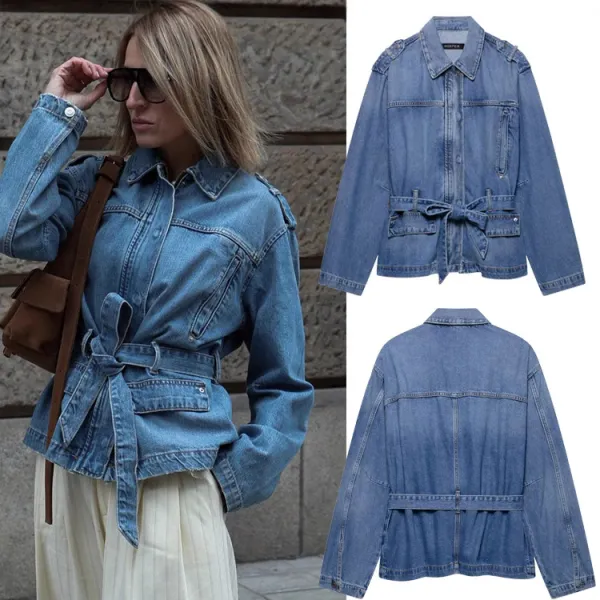
In the end, denim is more than fabric—it's a global industry, a cultural icon, and a retail powerhouse. Retailers who understand its journey can harness its full potential, ensuring that every piece they sell reflects quality, craftsmanship, and thoughtful sourcing. From factory floors to retail displays, denim’s journey tells a story of innovation, tradition, and timeless appeal. And for every store owner seeking long-term success, mastering the wholesale denim supply chain is an investment in knowledge, growth, and enduring opportunity.


Comments
Post a Comment