Custom Bags for Business: Cost, Quality, and Tips to Maximize ROI
In today’s competitive marketplace, businesses are constantly searching for branding tools that offer both high visibility and long-term value. Among all promotional items, custom bags have proven to be one of the most reliable investments for maximizing return on investment. They are practical, durable, reusable, and able to display a brand message in everyday settings. Whether a company chooses custom tote bags, custom handbags, custom backpacks, custom drawstring bags, custom shopping bags, custom duffle bags, custom crossbody bags, or even custom wallets, the impact these items have on brand awareness and customer loyalty is remarkable. When selected thoughtfully, they can generate far more value than their initial cost.

Businesses often underestimate how much influence a bag has on customer experience and brand identity. A bag is not just a functional item; it is a silent ambassador for the brand. It appears in offices, gyms, campuses, stores, airports, and social media. Every time someone carries a branded bag, the brand earns impressions without spending more money. This makes custom bags an essential marketing tool that combines practicality with powerful visibility.
Understanding cost and quality is the foundation of maximizing ROI. While many businesses assume that all bags function the same, the truth is that quality variations dramatically affect performance and lifespan. For example, well-made custom tote bags can last years, offering thousands of impressions per unit. In contrast, low-quality bags may tear easily, fade quickly, or fail to reflect the brand’s professionalism. Therefore, cost-effectiveness is not about choosing the cheapest option but about selecting the best balance between price, durability, and design.
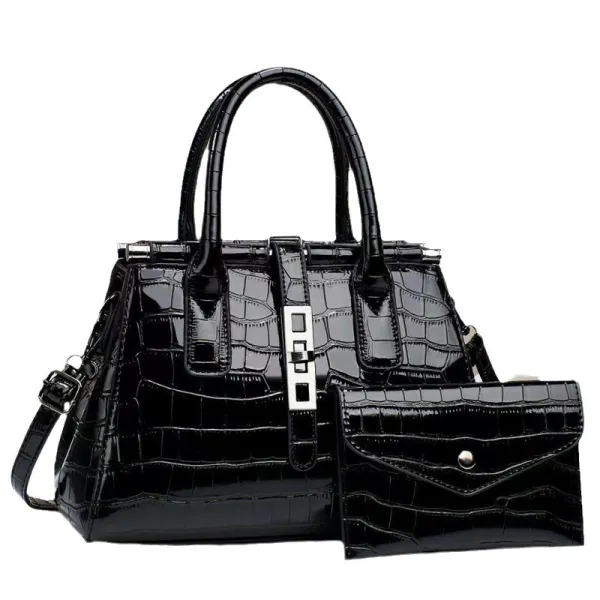
Different types of custom bags serve different business goals. Custom tote bags are popular for events, giveaways, retail packaging, and eco-friendly campaigns. Their large printing area makes them ideal for bold branding, and their simplicity keeps costs low. Custom handbags suit fashion brands, boutiques, and lifestyle companies that want to offer premium merchandise or exclusive gifts. These bags often require higher-quality materials and craftsmanship, but they reward brands with a sense of luxury and emotional connection.
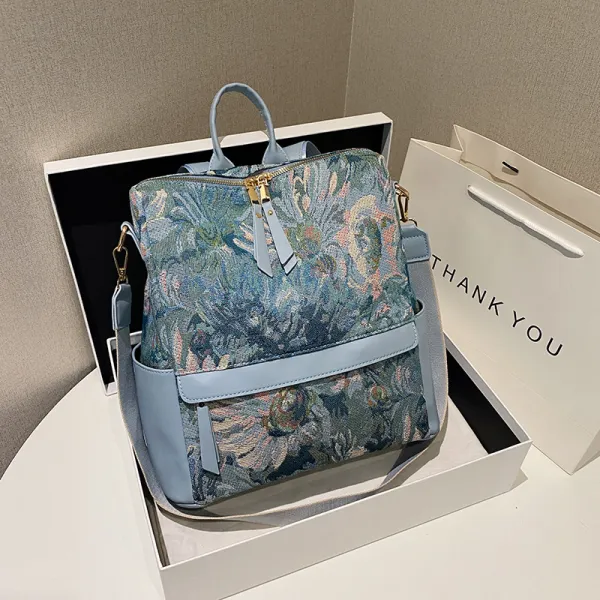
Custom backpacks are excellent for brands targeting students, professionals, or travelers. Their structured design, organizational pockets, and durable materials make them highly functional, which increases their perceived value. Custom drawstring bags continue to be a favorite for gyms, schools, marathons, and promotional events. They are inexpensive, lightweight, and easy to distribute, making them perfect for large-scale campaigns.
Custom shopping bags support brands promoting sustainability. As governments and consumers push for eco-friendly packaging, reusable shopping bags help brands show environmental responsibility while providing repeated exposure as customers reuse them. Custom duffle bags are ideal for sports teams, fitness brands, travel companies, or corporate gifting. They are durable, spacious, and visually impressive, often used for years, which generates incredibly high ROI. Custom crossbody bags, on the other hand, appeal to younger audiences who value convenience and style. These compact bags allow hands-free mobility and frequent daily use, making them excellent for subtle but constant brand exposure. Even small items such as custom wallets can make a powerful impact because they are used daily and create intimate connections between the brand and its customers.
To maximize ROI, businesses must begin by defining the purpose of the custom bags. A bag chosen for a corporate conference is not the same as one selected for a fashion brand’s product launch. Understanding the type of audience helps narrow down materials, design, size, and budget. Promotional campaigns often benefit from affordable but durable custom tote bags or custom drawstring bags, while retail brands may prefer custom handbags or custom crossbody bags that align with their style identity. The bag should reflect the brand’s personality and the lifestyle of the intended user.
Cost calculation is another essential step. The total expense includes design, material, printing method, customization features, and shipping. Businesses that purchase in bulk typically receive significant discounts. However, ordering excessively without understanding demand can waste resources. The key is to find a responsible balance: choose high-quality bags that fit the budget while offering long-term value. Investing a little more in quality materials or durable stitching often pays off because customers will continue using the bag, giving the brand more exposure.
Material directly influences both cost and customer perception. Cotton and canvas are ideal for custom tote bags because they are strong, natural, and environmentally friendly. Nylon and polyester suit custom backpacks, drawstring bags, and duffle bags due to their water resistance and durability. PU and leather are excellent choices for custom handbags and custom wallets where luxury and craftsmanship matter. Choosing the right material ensures that the bag matches its intended use and communicates the correct brand message.
Quality is also determined by stitching, hardware, reinforcement, and construction. A bag may look appealing in a sample photo but feel flimsy in real life if it lacks proper stitching or uses thin fabric. Robust zippers, metal buckles, reinforced corners, padded straps, and lined interiors increase the bag’s lifespan and enhance user experience. A bag that feels premium impresses customers and encourages repeated use, which increases brand visibility.
The customization method is another factor affecting both cost and quality. Screen printing works well for simple logos on canvas tote bags or drawstring bags. Embroidery provides a high-end look for backpacks, duffle bags, and handbags. Digital printing allows photo-quality designs and full-color artwork. For luxury branding, techniques like debossing and embossing on leather or PU materials create an elegant, long-lasting effect. Selecting the right method ensures that the design remains vibrant and durable over time.
Once the bags are created, businesses should consider distribution strategies to maximize impact. Giving custom bags at the right time and place boosts engagement. Conferences, trade shows, charity events, product launches, seasonal promotions, membership programs, and brand collaborations all present opportunities. For retail brands, offering custom shopping bags with purchase not only improves customer experience but also turns shoppers into walking advertisements. Some brands incorporate limited-edition custom handbags or custom crossbody bags into loyalty programs to increase customer retention and encourage repeat purchases.
Another way to maximize ROI is by aligning bag design with current trends. Modern consumers appreciate minimalistic aesthetics, muted colors, sleek shapes, and functional features like pockets or adjustable straps. When a bag looks fashionable, customers continue using it even after the promotional period ends. For instance, a stylish custom crossbody bag or a clean, well-crafted custom tote bag can easily become part of someone’s daily wardrobe, creating continuous brand exposure.
Sustainability has become an important element in both cost control and brand reputation. Eco-friendly custom shopping bags, recycled-material backpacks, and organic canvas totes appeal to environmentally conscious consumers. Sustainable bags often have higher initial costs but deliver exceptional ROI because they reinforce a positive brand identity and encourage long-term use. Customers who care about sustainability tend to value and reuse these bags, providing ongoing free advertising for the brand.
Brands that want to maximize the daily visibility of their custom bags should consider versatility. Bags that suit multiple occasions—work, shopping, school, travel, or gym—are more likely to be reused. Custom duffle bags that double as travel bags or gym bags, custom backpacks that fit both office and outdoor use, or custom tote bags designed with inner pockets and sturdy straps become multi-purpose favorites. When customers find the bag useful, they carry it everywhere, amplifying marketing reach without additional spending.
It is also essential to consider cultural and lifestyle differences when designing custom bags. A fashion-forward city might respond well to elegant custom handbags or minimalistic custom crossbody bags, while a college town may prefer functional custom backpacks. Event organizers may rely on custom drawstring bags for quick distribution. Each audience group interprets style and function differently, so knowing your demographic helps increase the effectiveness of your investment.
To measure ROI accurately, businesses should track distribution numbers, customer feedback, brand visibility on social media, customer retention rates, and the longevity of the bags. Sometimes, customers voluntarily post photos of stylish custom bags on social media, giving brands additional exposure at no extra cost. A bag that goes viral increases ROI significantly. Encouraging customers to share their bags online through branded hashtags or campaigns can multiply brand awareness.
Companies should also consider using custom bags as part of bigger marketing narratives. For example, a company promoting an eco-friendly initiative can distribute custom shopping bags with messages about sustainability. A fitness brand might release custom duffle bags as part of a wellness challenge. A travel company could create custom backpacks for loyalty program members. Integrating bags into broader storytelling creates deeper emotional resonance, improving loyalty and long-term value.
Strong partnerships with reliable suppliers are essential for maximizing ROI. A professional supplier ensures consistent quality, accurate color reproduction, timely delivery, and clear communication. They also offer sample options so businesses can verify the product before mass ordering. This reduces the risk of costly errors and ensures that every batch of custom bags matches the brand’s expectations.
Once businesses understand cost, quality, and design, enhancing brand identity becomes the final step. Custom bags should align with the company’s color palette, logo style, brand tone, and audience lifestyle. Whether the brand is playful, elegant, sporty, or minimalist, the bag design should reflect that identity. A consistent and recognizable design creates stronger brand recall.
In the business world, ROI is not just measured in direct revenue but also in long-term brand recognition, customer satisfaction, and customer loyalty. A well-designed bag becomes part of the customer’s personal life. It earns impressions in offices, gyms, supermarkets, airports, cafes, libraries, and public transportation. It also reinforces positive associations with the brand, especially when the bag is durable, stylish, and comfortable to use.
In conclusion, custom bags remain one of the smartest investments for businesses seeking high-impact marketing tools. Whether choosing custom tote bags for promotional events, custom handbags for premium branding, custom backpacks for functional appeal, custom drawstring bags for mass distribution, custom shopping bags for eco-friendly campaigns, custom duffle bags for active lifestyles, custom crossbody bags for urban users, or custom wallets for thoughtful gifting, the potential for long-term brand visibility is immense. By prioritizing quality materials, careful design, functional features, and effective distribution, businesses can significantly increase ROI while strengthening their brand identity.
Custom bags not only provide practical value but also create emotional connections between the brand and its customers. When produced with intention and strategic thinking, these bags transform from promotional items into powerful marketing assets that continue delivering value long after they have been distributed.


Comments
Post a Comment